
Loading...
Sunken driveway or tilted patio after another South Dakota winter? We lift your concrete back to level in a single visit - no tear-out, no dumpster, no weeks of disruption.
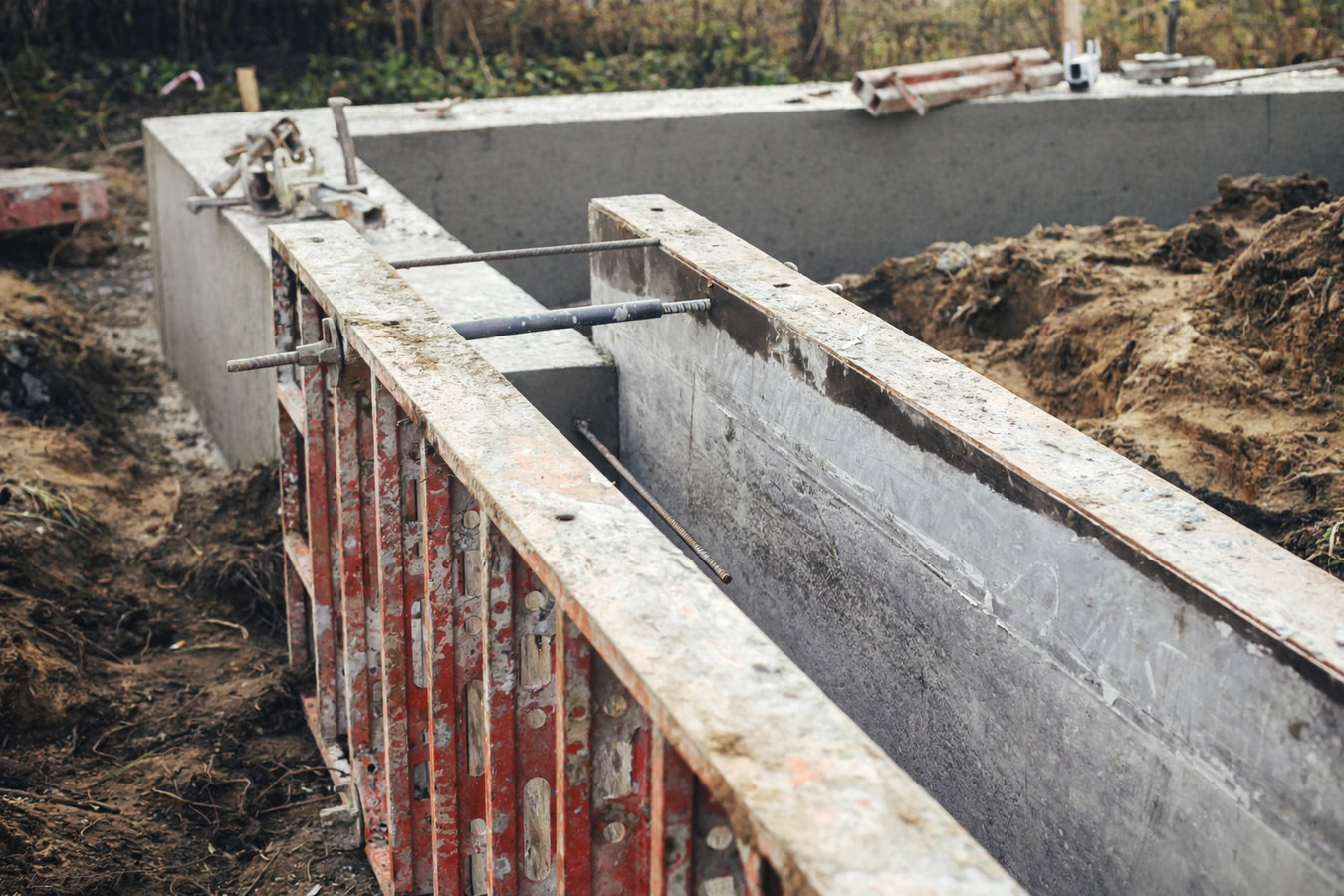
Foundation raising in Sioux Falls lifts a sunken or uneven concrete slab back to its original level by pumping material into the voids underneath, and most residential jobs are completed in a single day. The contractor drills small holes through the slab, injects either a cement-soil slurry (mudjacking) or expanding foam, and patches the holes when the concrete is back where it belongs.
If your driveway, patio, garage floor, or front walk has dropped - whether it is a quarter inch or two inches - the slab has settled into a void that formed beneath it. In Sioux Falls, that void almost always comes down to two things: freeze-thaw movement that shifts the soil every winter, and clay-heavy ground that pulls away from the underside of the slab when it dries out in summer. The problem is common here, and it tends to get worse with each passing season if left alone.
Homeowners who are also dealing with deeper foundation issues sometimes need slab foundation building rather than a lift - if that applies to your situation, we will tell you during the assessment.
If one section of concrete sits lower than the section next to it, the ground underneath has shifted. In Sioux Falls, this often becomes obvious in spring after the ground thaws and the slab settles into voids left by the winter freeze. You do not need any tools - if it looks uneven, it probably is.
When a slab near your house sinks, it can create a low spot that directs rainwater toward your foundation instead of away from it. After a heavy spring rain, walk around your home and look for puddles sitting close to the base of the walls. That pooling water is a warning sign that the slab and your foundation's moisture protection both need attention.
A slab that has settled unevenly creates a lip or edge where one section meets another. If you trip or feel a noticeable step on your patio, garage floor, or front walk, that height difference is a tripping hazard. This is especially common in Sioux Falls homes where clay soils have dried and contracted under one section of a slab.
Cracks that run along the edges of a slab or widen over time suggest the slab is moving. If a crack that was barely visible last fall is now wide enough to fit a finger into, the slab is still settling. Catching this early - before the gap gets larger - usually means a simpler and less expensive fix.
We offer both mudjacking and foam lifting, and we recommend the right method for your specific slab based on what we find during the assessment. Mudjacking uses a cement-soil slurry that is pumped under pressure - it is the proven traditional method and typically costs less per hole. Foam lifting injects a lightweight expanding polyurethane that sets quickly and adds very little weight to the soil below, which is an advantage when the ground is already soft or unstable. Homeowners sometimes also need related work on surrounding flatwork, which is why we connect foundation raising projects to our concrete cutting services when damaged sections need to be removed before lifting begins.
Whether the settled surface is a driveway, sidewalk, front walk, patio, garage floor, or pool deck surround, the process is the same: assess, drill, lift, patch. The drill holes are roughly the size of a quarter to a golf ball and are patched with concrete before we leave. They are visible up close but blend in reasonably well, and they are far less noticeable than the uneven slab was. If a slab is too deteriorated to raise effectively, we will tell you during the assessment so you can make an informed decision before any work is scheduled.
The proven, cost-effective choice for most residential slabs - driveways, patios, sidewalks, and garage floors that have settled into voids left by soil movement.
Ideal when fast return-to-use time matters or when the soil below is soft and you need a lighter fill material that will not add pressure to already unstable ground.
Every job includes patching the drill holes with concrete. We also walk you through what caused the settling and what drainage or grading steps might help prevent a recurrence.
Sioux Falls experiences some of the most dramatic freeze-thaw swings in the country. Temperatures regularly drop well below zero in winter and climb above 90 degrees in summer. Every cycle of freezing and thawing expands and contracts the ground, pushing and pulling concrete slabs out of position year after year. On top of that, the clay-heavy soil common throughout Minnehaha County swells when wet and shrinks when dry - creating voids under slabs during dry summers that collapse when the weight of the slab finally gives. Homes in older neighborhoods like McKennan Park and the Cathedral District are particularly likely to show this kind of settling, since many of those slabs have been absorbing seasonal movement for decades. For homeowners in Brandon, SD and Harrisburg, SD, newer subdivisions on expansive clay soils can show settling within the first ten years as the ground adjusts to structures built on top of it.
Spring is the busiest season for foundation raising in Sioux Falls. After the ground thaws, slabs that shifted during the cold months become obvious in March and April. Contractors book quickly at that point, and waiting until summer can mean a longer delay. Calling when you first notice the problem - before another rainy season sends water toward your foundation - almost always costs less than waiting.
We respond within 1 business day. When you call, have a rough sense of how much the slab has dropped and whether you have noticed any drainage issues nearby. Spring is the busiest season, so calling early gives you the most scheduling flexibility.
We walk the affected area, measure how much the slab has settled, and look at surrounding drainage. A good assessment takes 20 to 30 minutes. We explain what we found and why the slab sank - not just hand you a number.
The crew drills small holes through the slab, pumps material underneath until the concrete reaches the right level, then patches every hole with concrete. Most residential jobs are done in a few hours. The crew cleans up the work area before they leave.
Before the crew packs up, walk the area with them and confirm the slab feels level. Ask questions. They will tell you when it is safe to walk on the surface and when to wait for vehicle traffic - typically up to 24 hours for the cement-slurry method, less for foam.
Free on-site estimate. We respond within 1 business day. No obligation, no pressure.
(605) 305-1070We give you a written quote that breaks down what you are paying for. You can compare it against other bids with confidence. A price given over the phone without a site visit is rarely reliable - we do not do that.
If your slab is too far gone to raise, we will tell you - because a fix that does not last is not a fix at all. We assess whether your concrete is a good candidate before any work is scheduled, so you are not paying for something that will not hold.
The clay soils and freeze-thaw cycles in this area are the primary driver of sinking slabs. We factor local soil conditions into every assessment - not just the surface problem you can see. Understanding what caused the settling helps us tell you whether it is likely to recur.
Most residential foundation raising jobs in Sioux Falls are done in a single visit. Drilling, lifting, patching, and cleanup all happen in one trip - you are back to using the space the same day, without a dumpster in your yard or days of disruption.
The combination of honest assessments, same-day work, and local soil knowledge is what keeps Sioux Falls homeowners from calling twice for the same problem. When you understand what caused your slab to sink and what can be done to slow it from happening again, you are in a better position to make the right call - and so are we. The American Concrete Institute sets national standards for concrete repair work, and understanding those practices is part of how we deliver results that hold.
For permit questions specific to your project, the City of Sioux Falls Building Services office is the authority on what requires a permit in your situation. Before any drilling, contractors in South Dakota are required to contact 811 to have underground utilities located - we handle this as a standard part of every job.
When a slab is too damaged to raise and sections need to be removed cleanly before repair, precise concrete cutting is the first step.
Learn MoreIf settling has gone beyond what lifting can fix, a new slab foundation built to current standards may be the right long-term solution.
Learn MoreSunken concrete only gets harder to fix after another winter. Call or request a free estimate today and we will come out and tell you exactly what you are dealing with.