Concrete Steps & Stairs
Well-built concrete steps make a strong first impression and hold up for decades with the right prep and finishing.
(605) 305-1070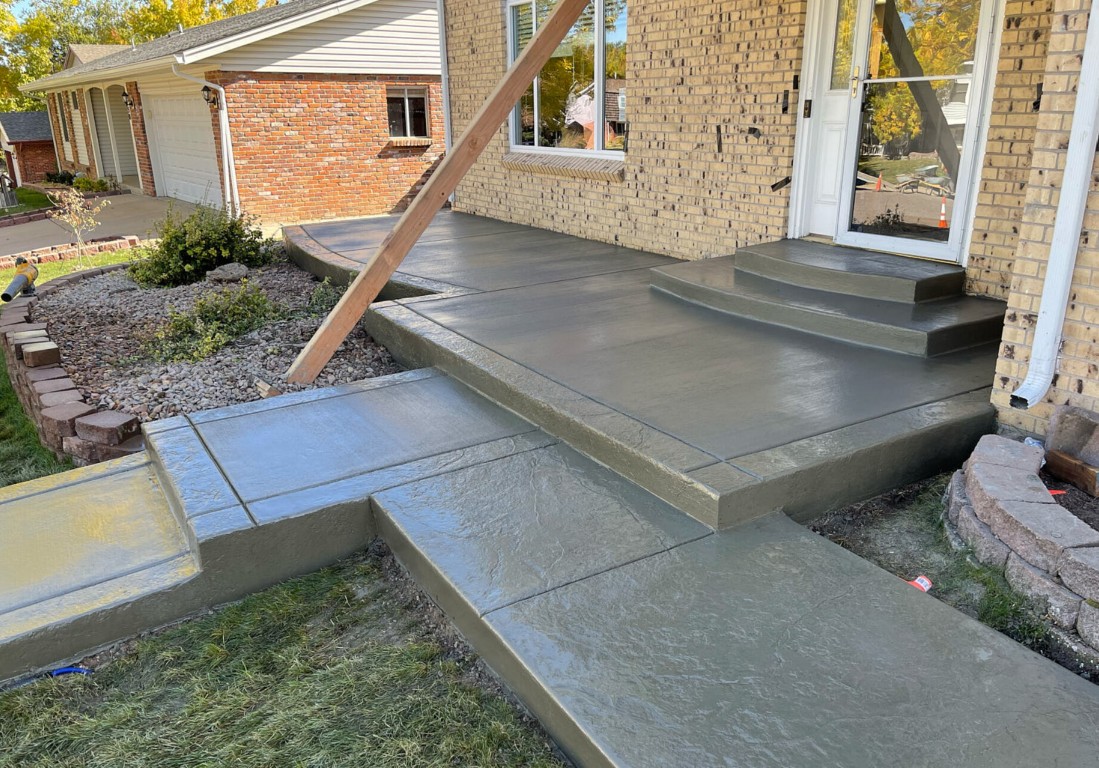
Your Entry Deserves More Than Crumbling Steps
Your front steps are one of the first things anyone sees when they approach your home. Old, cracked, or settled steps don't just look bad — they can be genuinely dangerous. Uneven risers, broken edges, and steps that have pulled away from the house are all trip hazards that get worse with every winter.
At Elite Sioux Falls Concrete Contractor, we build concrete steps and stairways that are safe, solid, and sized correctly for your property. We form and pour each set of steps to match your entryway, whether you need two treads at a side door or a full multi-step front entrance with a landing platform.
We can also add decorative touches like broom finishes, exposed aggregate, or stamped patterns to give your steps a distinctive look that fits the rest of your home. Functional and attractive — the two aren't mutually exclusive.
What Goes Into Building Concrete Steps That Last
Steps that crack, settle, or fall apart within a few years are almost always a result of poor prep work at the start. Here's what we do differently to make sure your steps hold up through South Dakota winters and everything else.
- Proper excavation and base preparation: We dig out the area and compact a crushed stone base before any forming starts. This prevents settling caused by soft or unstable soil underneath.
- Correctly sized riser and tread dimensions: Steps that are too tall, too short, or too shallow feel awkward and are easy to trip on. We build to code-compliant proportions every time.
- Steel reinforcement: Rebar runs through every set of steps we pour. This internal reinforcement holds the concrete together if any cracking occurs and prevents pieces from breaking off.
- Air-entrained concrete mix: We use a mix designed to handle freeze-thaw cycles, which are the biggest threat to concrete longevity in Sioux Falls. Air entrainment creates microscopic bubbles that give the concrete room to expand without cracking.
- Proper curing: We apply a curing compound or cover the steps during the initial hardening period. Rushing this step causes surface weakness that shows up as spalling within a few seasons.
- Non-slip finish: All treads get a broom finish as a standard. This gives them texture and grip, which is especially important in icy weather.
If your steps are part of a larger entryway project, we can pair them with a new concrete walkway to create a cohesive front entrance. See our sidewalks, walkways, and flatwork page for more on what that work involves.
Finish Options for Your Concrete Steps
Plain concrete steps are a great choice. They're durable, easy to maintain, and look clean for years. But if you want something with a little more character, we offer several finishing options that go on at the time of the pour.
Broom Finish
This is our standard finish and the most common choice. A stiff brush is dragged across the wet surface to create a textured, non-slip tread. It's practical, clean-looking, and holds up well over time. If you want simple and reliable, this is the one to go with.
Stamped or Textured Steps
We can press pattern stamps into the tread surface and risers while the concrete is still workable. Popular options include a slate texture, wood plank pattern, or cobblestone look. Stamped steps pair well with a matching stamped patio or walkway, giving your entire front entrance a unified, high-end appearance. Check out our stamped and decorative concrete service to see the full range of patterns available.
Exposed Aggregate
The surface layer is washed away while the concrete is still green to expose the stone aggregate beneath. This creates a natural, pebbly texture that provides excellent grip and a distinct look different from standard concrete. It also hides surface wear better than a smooth finish.
Colored Concrete
Integral color can be added to the concrete mix to give your steps a consistent tone throughout. Common choices are earth tones, charcoal, and buff — colors that complement brick, stone, and wood siding well. Unlike paint or surface stain, integral color won't chip or peel.
Ready for New Concrete Steps? Let's Talk.
Whether you need a simple two-step stoop or a full multi-level entrance, we'll walk you through the options and give you a clear, honest quote. Visit our concrete contractor home page to learn more about all the services we offer across Sioux Falls and nearby communities.
(605) 305-1070Common Questions About Concrete Steps
Well-built concrete steps with a proper base and reinforced with rebar can last 30 to 50 years or more. The biggest factors that shorten their life in Sioux Falls are freeze-thaw damage from de-icing salt and a base that wasn't properly compacted. If you've had steps crumble within 10 to 15 years, it's almost always a prep or mix issue from the original installation. We build ours to go the distance.
Sometimes, yes. If only a corner or edge has broken off on an otherwise solid set of steps, a repair with structural mortar can work well and save you money. However, if the steps have settled away from the house, have multiple through-cracks, or the risers have spalled heavily across their faces, replacement is usually the smarter and more cost-effective long-term choice. We'll look at what you have and give you an honest recommendation either way.
We typically ask that you stay off new steps for at least 24 to 48 hours after the pour, depending on weather conditions. Concrete reaches about 70 percent of its full strength within the first week, and full cure takes approximately 28 days. You can walk on the steps after the first day or two, but avoid heavy impacts or placing heavy objects on them during the first week. We'll give you specific guidance based on the conditions at the time of your pour.